

Nowadays, miniature air pumps and miniature vacuum pumps are widely used as core fluid control components in medical equipment, scientific research instruments, and portable electronic devices. Most compact fluid systems rely on brushless DC motor drives and small solenoid valves to achieve stable airflow adjustment. Energy consumption performance directly affects equipment operating costs and service life. This article comprehensively analyzes the key factors that influence the energy consumption of miniature air pumps in actual operation. Miniature air pumps, with their small size and ease of integration, are widely used in medical, scientific research, and portable devices. However, their energy consumption is not constant and is affected by multiple factors. Understanding these influencing factors helps users use equipment rationally and reduce operating costs.
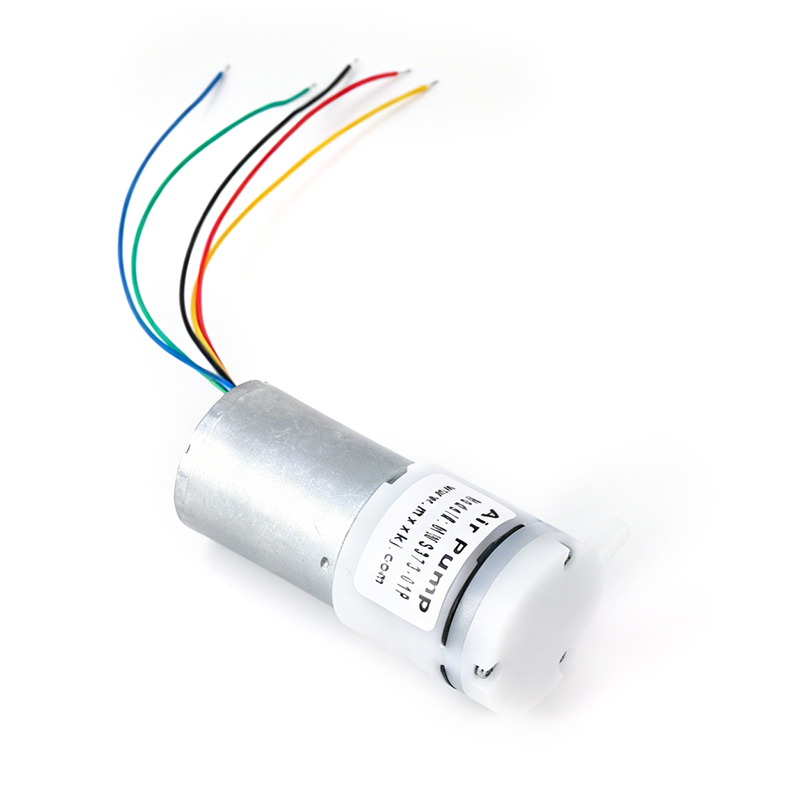
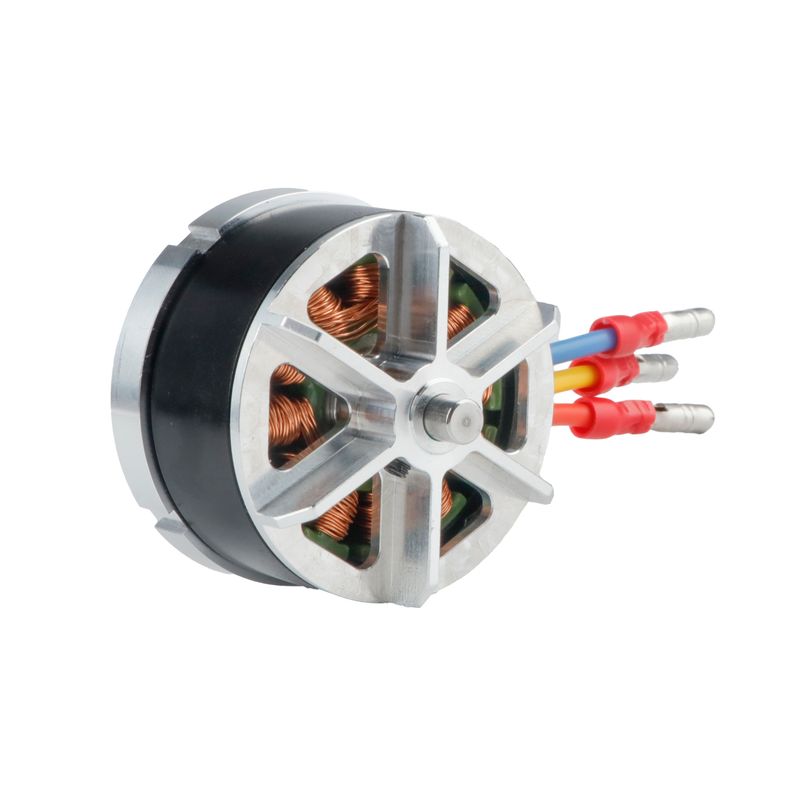
The equipment's own parameters are the fundamental factors determining energy consumption. Power directly relates to energy consumption levels; higher power means more electrical energy consumed per unit time. If the actual usage scenario does not require high airflow or pressure, but a high-power miniature air pump is selected, it will result in energy waste. For example, in detection equipment requiring only a small amount of gas flow, using an air pump with power exceeding the required capacity will consume a lot of electricity even when the equipment is operating at low load. Furthermore, motor efficiency is also crucial. Different types of motors have varying efficiencies in converting electrical energy into mechanical energy. Inefficient motors cause more electrical energy to be lost as useless heat, leading to increased energy consumption, while high-performance motors can achieve the same pumping effect with less electricity.
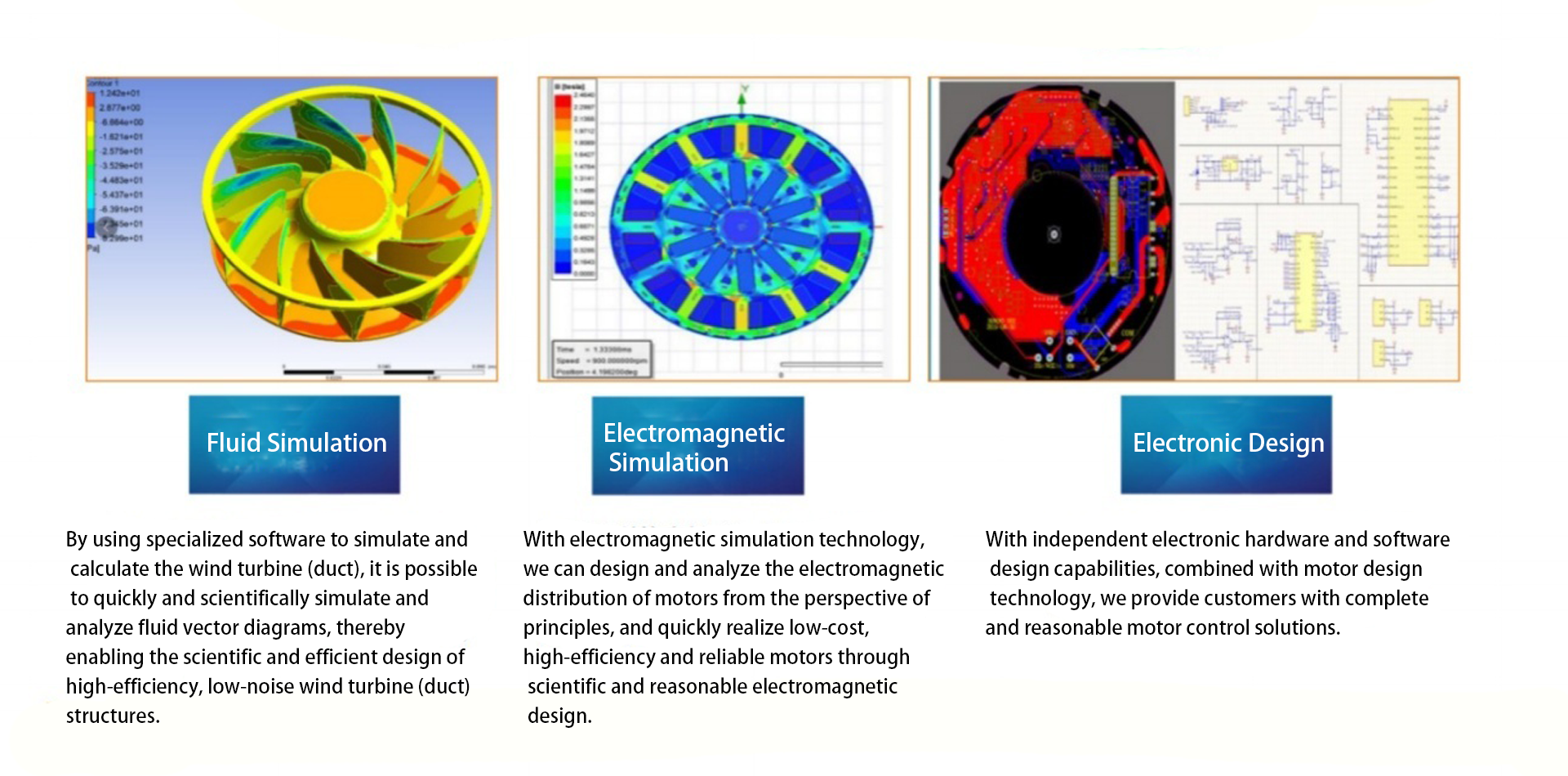
The operating environment significantly impacts the energy consumption of miniature air pumps. Ambient temperature alters the physical properties of gases. In low-temperature environments, gas density increases and flowability decreases, requiring the air pump to overcome greater resistance to deliver the gas, thus consuming more electrical energy. For example, using a miniature air pump in a cold outdoor environment may result in significantly higher energy consumption compared to a normal temperature environment. Ambient pressure is also significant. When the air pump operates in a high-pressure environment, the force required to compress the gas increases, increasing the motor load and energy consumption. Conversely, in low-pressure environments, although gas compression is relatively easy, the thinner gas density may require the air pump to run for longer to reach the target flow rate, also increasing energy consumption.
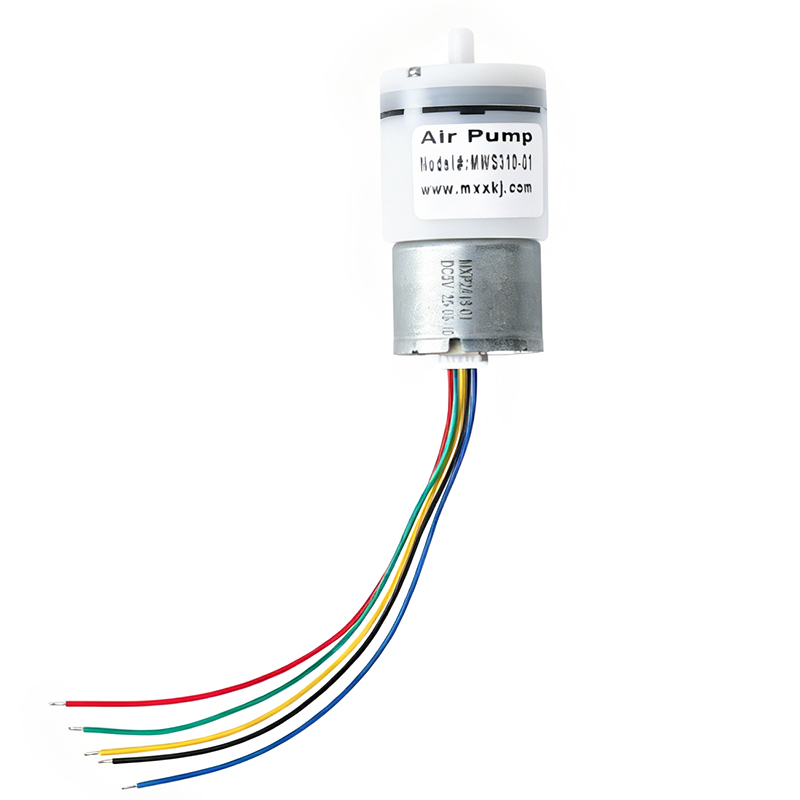
The usage pattern plays a vital role in energy consumption control. The energy consumption performance differs significantly between continuous operation and intermittent start-stop cycles. While miniature air pumps don't require frequent starts during continuous long-term operation, the motor remains operational for extended periods, resulting in high cumulative energy consumption. Frequent starting and stopping of the pump requires a large current to overcome inertia each time it starts, consuming additional energy. Furthermore, frequent starts accelerate wear and tear on the motor and mechanical components, indirectly increasing energy consumption. In addition, the pump's operating mode settings also affect energy consumption. For example, some miniature air pumps support adjustable speed; reducing the speed while meeting usage requirements can effectively reduce energy consumption. Conversely, prolonged high-speed operation, even if the required airflow, will result in unnecessary power consumption.
The condition of the equipment's maintenance directly impacts energy consumption. Aging or wear of internal seals in a miniature air pump can lead to gas leaks. To maintain the set air pressure or flow rate, the pump needs to operate at increased power, thus increasing energy consumption. For instance, if the diaphragm of a miniature air pump is damaged, gas leaks out, requiring the motor to work harder to compensate for the leak, further increasing energy consumption. Furthermore, if the moving parts inside the air pump, such as bearings and pistons, lack lubrication or accumulate dust and dirt, frictional resistance will increase, requiring the motor to consume more electrical energy to drive these parts. Regularly inspecting and replacing seals, and cleaning and lubricating moving parts can ensure the effective operation of the air pump and reduce energy consumption.
