

Industry Focus! Miniature Air Pumps, Miniature Vacuum Pumps, and their accompanying Solenoid Valves, Small Solenoid Valves, and Brushless DC Motors are widely used in fluid control, civilian equipment, and industrial automation. Many manufacturers and buyers are concerned about whether these products require 3C certification. This article comprehensively analyzes the certification criteria for miniature air pumps and valves based on domestic regulations.

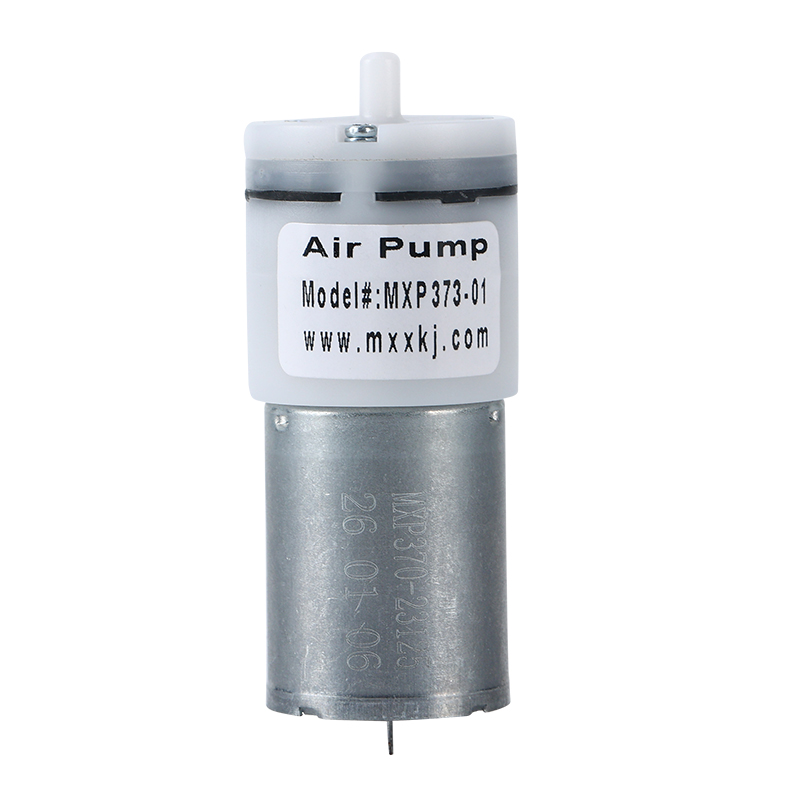
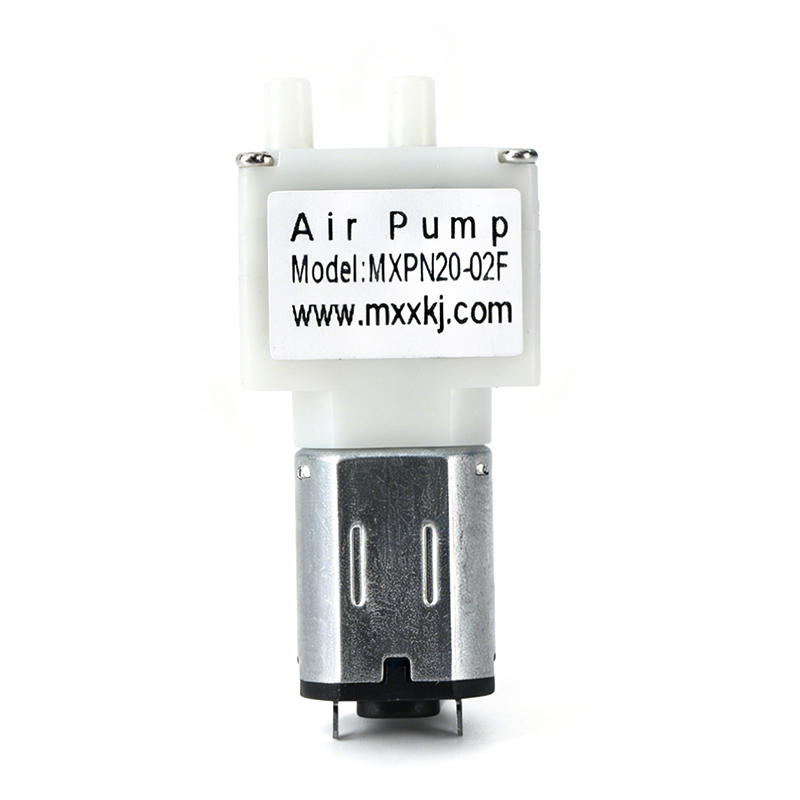
Whether miniature air pumps and valves require 3C certification (China Compulsory Certification) is a question worth discussing. 3C certification is a mandatory product certification system in China, designed to protect consumers' personal and property safety and safeguard national security and interests. Whether miniature air pumps and valves require 3C certification depends on their specific product type, application, and relevant regulatory requirements.
1. Scope of 3C Certification
3C certification applies to 26 categories of products covered by national laws and regulations, including electronic information products, automobiles and parts, children's toys, and building materials. Whether a miniature air pump or valve falls into any of these categories depends on its specific characteristics and application. Miniature air pumps and valves used solely as component parts are mostly not included in the mandatory certification catalog. However, if integrated into complete home appliances or explosion-proof equipment, they must comply with the certification rules for the complete unit and specific product categories.
2. Electrical Safety Involved
If the miniature air pump/valve product includes electrical components, such as an electric air pump or control circuit, it may require 3C certification. This is because electrical safety is involved, and it must meet national safety requirements for relevant products to be marketable. Electric air pumps equipped with brushless DC motors and Solenoid valves with electronic control coils have more complex electrical structures, making electrical safety a key focus of compliance review.
3. Product Use and Risk Assessment
A risk assessment is required for miniature air pump/valve products to consider potential safety risks during use. If the product's design, materials, or manufacturing process may pose a threat to personal or property safety, certification may be necessary. For example, miniature vacuum pumps and high-pressure air pump valves used in industrial settings operate under special conditions with higher risk levels, and therefore, stricter compliance requirements.
4. Relevant Industry Standards and Regulations
Besides 3C certification, it's necessary to consider whether there are industry standards or regulations governing the certification of this type of product. Some specific industries may have additional certification requirements, requiring products to meet specific standards to circulate in the market. For general-purpose electronically controlled valves like small solenoid valves, in addition to 3C, some sub-sectors also require supporting quality inspection reports and industry-specific certifications.
5. Market Supervision Requirements
Then, it's necessary to consider the regulatory requirements of Chinese market supervision authorities for this type of product. If relevant departments stipulate that miniature air pumps and valves require 3C certification, then manufacturers must comply with the regulations; otherwise, they may face sales restrictions or penalties.
In conclusion, whether miniature air pumps and valves require 3C certification depends on the specific circumstances. If the product falls under the scope of 3C certification for electronic information products and poses a risk to personal or property safety, then certification is likely required. Therefore, manufacturers should conduct comprehensive legal and regulatory consultations and risk assessments before launching products to ensure compliance with relevant legal and regulatory requirements, thereby protecting consumer rights and the product's market competitiveness.
