

In precision pneumatic industry, Miniature Air Pump and Miniature Vacuum Pump are widely applied in medical, household and testing equipment, most of these pump products adopt brushless dc motor as driving core and match with small solenoid valve for automatic airflow regulation. Many purchasers focus on its energy efficiency indicator, we analyze its energy efficiency ratio and energy-saving performance in detail below.
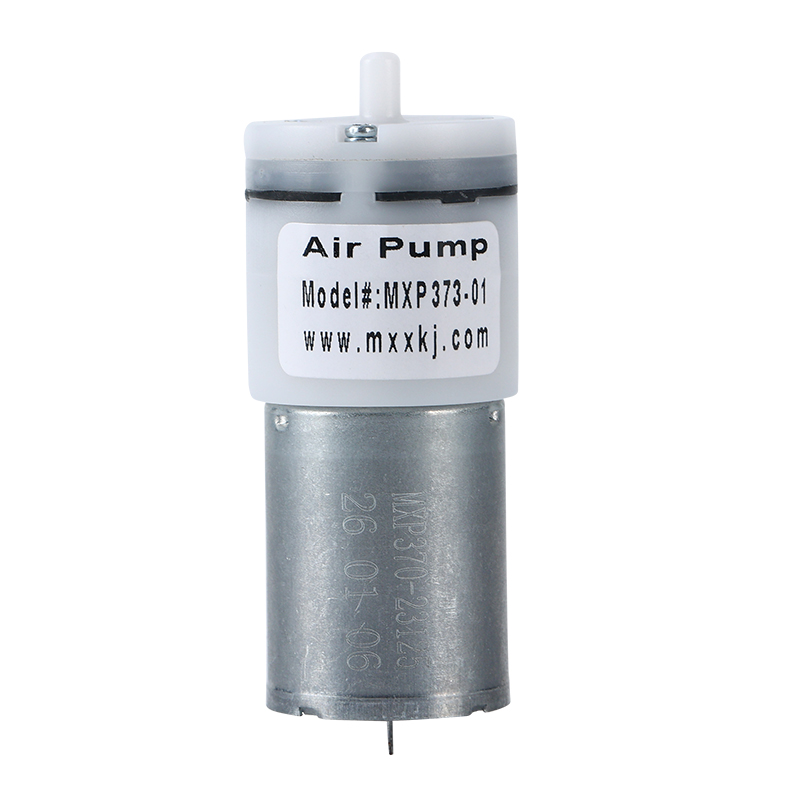
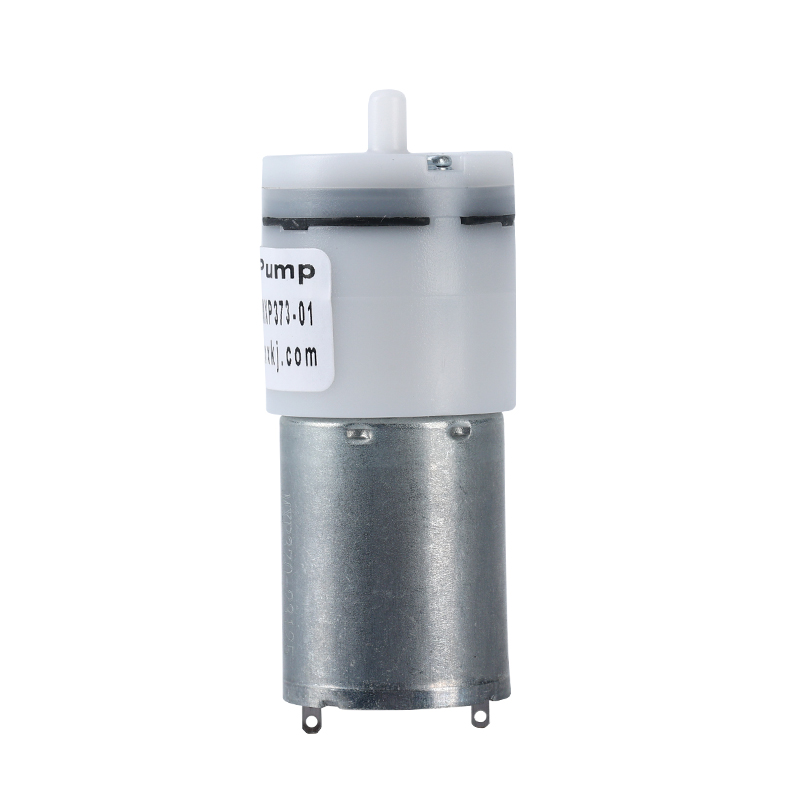
The energy efficiency ratio (EER) of a miniature air pump is a key indicator of its energy utilization efficiency. EER typically refers to the ratio between the effective work output by the pump (such as the generated air pressure and flow rate) and the input energy (usually electrical energy).
The energy efficiency ratio (EER) of a miniature air pump is a key indicator of its energy utilization efficiency. EER typically refers to the ratio between the effective work output by the pump (such as the generated air pressure and flow rate) and the input energy (usually electrical energy).
From a working principle perspective, miniature air pumps primarily use a motor to drive components such as pistons, diaphragms, or impellers to achieve gas intake and exhaust. Different types of miniature air pumps have different EERs. For example, piston-type miniature air pumps have high mechanical efficiency in gas compression, effectively converting the rotational motion of the motor into the reciprocating motion of the piston, thus achieving gas compression. Their EER depends to some extent on the sealing between the piston and cylinder, as well as the efficiency of the motor. If the piston and cylinder fit tightly, reducing gas leakage, and the motor itself has low losses, then the EER of this type of piston-type miniature air pump will be relatively high.
Diaphragm-type miniature air pumps achieve intake and exhaust by changing the volume of the air chamber through diaphragm vibration. Their EER is affected by factors such as the elasticity of the diaphragm material and the frequency and amplitude of diaphragm movement. High-quality diaphragm materials can transfer energy more efficiently, generating a larger gas flow rate and suitable air pressure with lower energy input, thus optimizing the energy efficiency ratio.
Miniature air pumps have certain advantages in energy saving. First, miniature air pumps typically have lower power consumption compared to large industrial air pumps. For example, some miniature air pumps used for aquarium oxygenation may only have a power of a few watts, consuming relatively little electricity even during prolonged operation. Second, with technological advancements, many miniature air pumps employ energy-saving motors and intelligent control technology. Energy-saving motors reduce their own energy loss, while intelligent control technology can adjust the pump's operating status according to actual needs. For example, when the air pressure reaches a set value, the pump can automatically reduce its speed or stop operating, avoiding unnecessary energy consumption.
However, the energy-saving effect of miniature air pumps is also affected by the usage environment and operating mode. If a miniature air pump operates under high load and for extended periods of continuous operation, its energy-saving advantage may decrease due to factors such as motor heating and component wear. Moreover, if the application scenario requires higher air pressure and a larger gas flow rate, its power will increase accordingly, affecting the energy-saving effect. Therefore, in practical applications, it is necessary to select a suitable micro air pump according to specific needs and set its operating parameters reasonably to achieve the best energy-saving effect.
