

Numerous device makers frequently face breakdown issues on Miniature Water Pump, small portable water pump and other fluid transfer products. Below we detail common risks triggered by air infiltration, a widespread fault also seen on standard Mini water pump and regular small water pump models.
The hazards of air entering a water pump are mainly as follows:
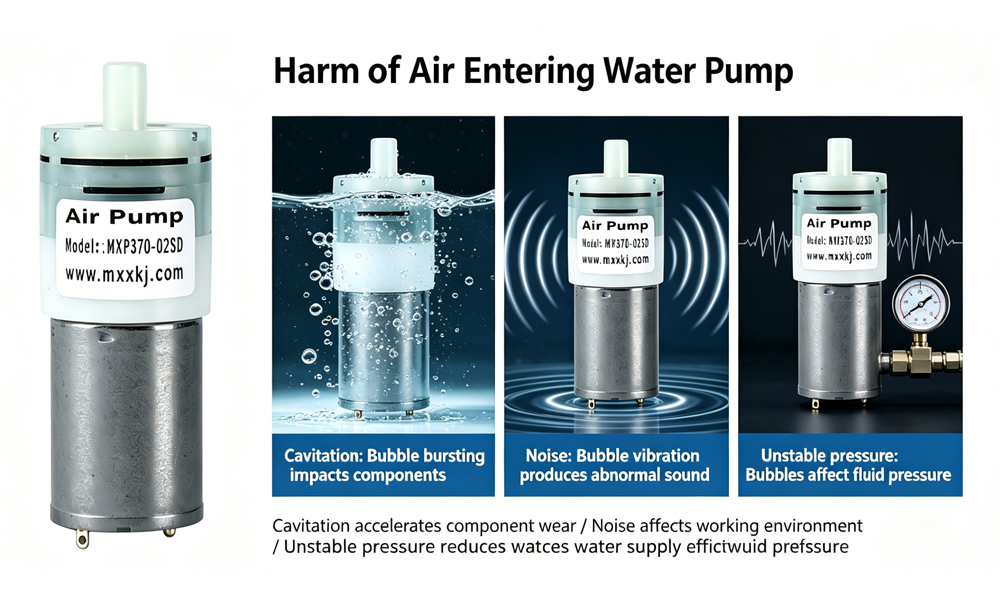
Impact on normal pump operation: Air entering the pump disrupts its normal vacuum state, affecting its normal operation. This is especially true in centrifugal pumps, where air can cause pressure fluctuations and cavitation, further impacting performance and lifespan.
Reduced pump efficiency: Air occupies space within the water, decreasing the pump's actual pumping capacity, thus reducing efficiency. This is because air limits the pump's ability to extract the required amount of water.
Increased pump energy consumption: Reduced pump efficiency necessitates increased energy consumption to maintain the required flow rate and head, leading to higher operating costs.
Corrosion of pump metal surfaces: Oxygen in the air and water corrodes the pump's metal surfaces. Over time, this can cause rust and wear, shortening its lifespan.
Cavitation: Changes in internal pump pressure can cause cavitation. Cavitation can cause fatigue and damage to the metal components inside a water pump, and may even generate noise and vibration, affecting the pump's normal operation.
It can also damage the motor and pump control system: air entering the pump may cause motor overload or control system malfunction, thus damaging the motor and pump control system. Most such pumps are powered by brushless DC motors.
It can reduce water quality: because air releases oxygen into the water, it may increase the oxygen content in the water supply. This not only affects the quality of the water supply but may also corrode the water supply pipes.
It can affect the pump's sealing performance: if the pump's sealing performance is poor, air can more easily enter the pump. This will further exacerbate the above problems and may cause the pump to malfunction; many units equip small solenoid valves to control inlet flow for leak prevention.
In summary, air entering a water pump will adversely affect its normal operation, efficiency, energy consumption, lifespan, and water quality. Therefore, measures should be taken to prevent air from entering the pump, such as regularly checking the pump's sealing performance, promptly repairing leaks, and maintaining a vacuum state inside the pump. In addition, installing air valves or vacuum breaker devices at the pump inlet can be considered to prevent air from entering the pump.
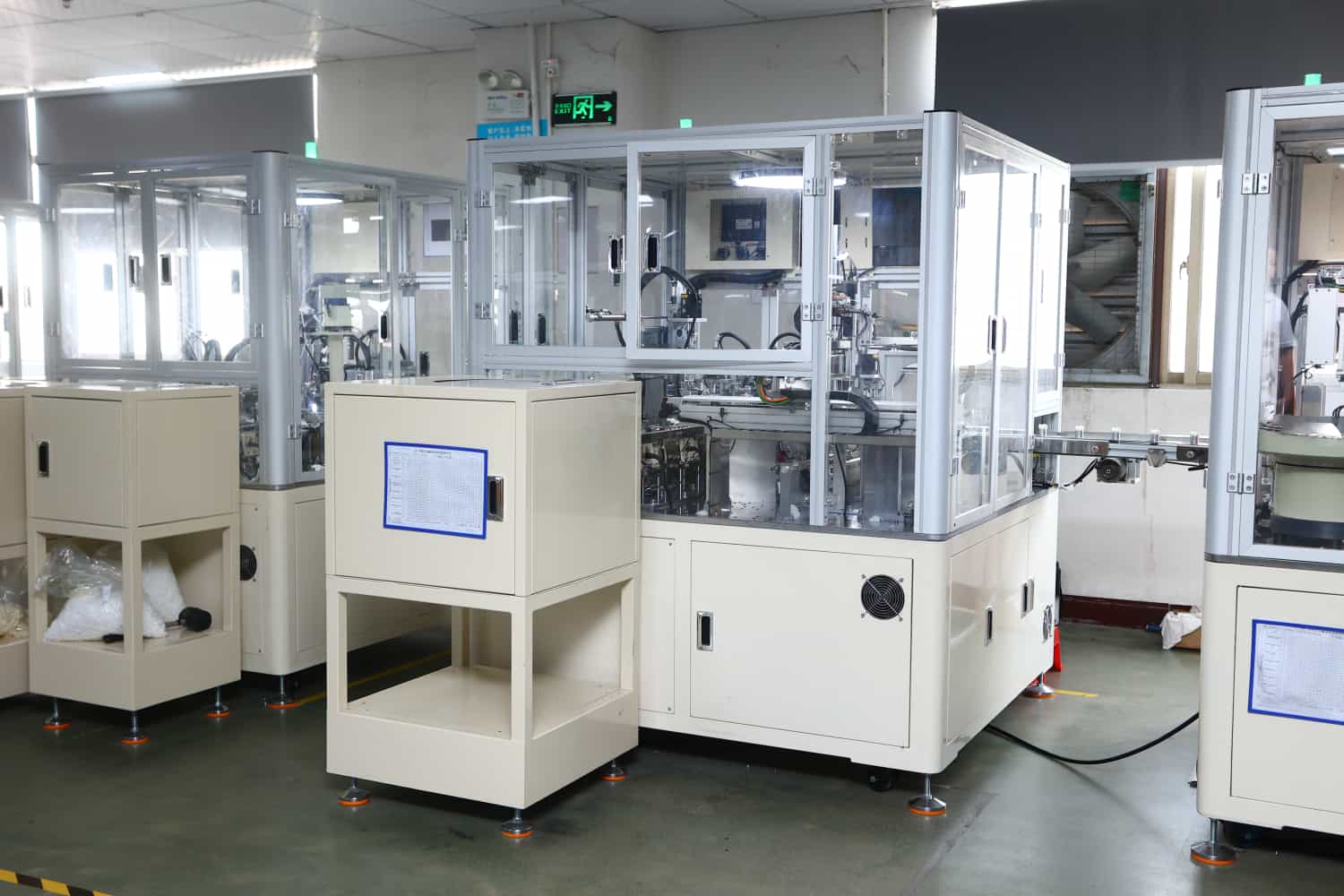
For better management and maintenance of the pump, it is recommended to establish a comprehensive pump maintenance management system and conduct regular inspections and maintenance.Simultaneously, strengthen the training of operators to improve their skills and operational levels. These measures can effectively reduce the possibility of air entering the pump, ensuring its normal operation and extending its service life.
