

In fluid and gas control systems supporting Miniature Air Pump, pumping equipment and various automated devices, small solenoid valve is one of the most widely used core components. Many buyers and engineering technicians often confuse two mainstream types: Normally Open Solenoid Valve and Normally Closed Solenoid Valve. Today we will sort out the differences from working principles, application scenarios, appearance and testing methods for your reference.
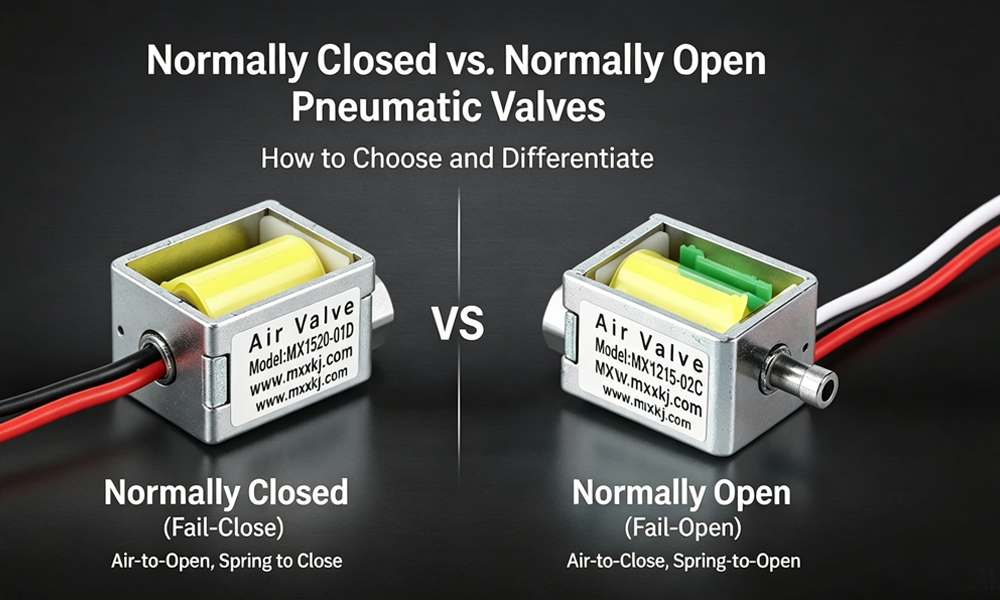
Working Principles
A Normally Open Solenoid Valve stays open when power is off, allowing gas or liquid media to flow freely. Once the electromagnetic coil is energized, the valve shuts off and cuts off the flow. To sum up, it operates with the rule of "open without power, closed with power".
On the contrary, a Normally Closed Solenoid Valve remains closed in the power-off state to block medium flow. The valve only opens and lets the medium pass through after power supply is connected. Its core feature is "closed without power, open with power". These two structural designs are also matched with drive parts such as Brushless DC Motor in many integrated fluid control units to realize automatic operation.
Application Scenarios
The Normally Open Solenoid Valve is ideal for systems that need to stay open most of the time and close occasionally. For instance, it is applied in automatic irrigation systems: the valve closes to cut off water flow when powered on, and reopens to maintain water supply after power cut. It also serves as an emergency cut-off valve in gas alarm systems.
The Normally Closed Solenoid Valve is preferred for scenarios requiring long-term closure and high safety standards. In water supply pipelines and gas delivery lines, it keeps sealed when power fails, effectively preventing fluid leakage and protecting the whole system.
Appearance Features
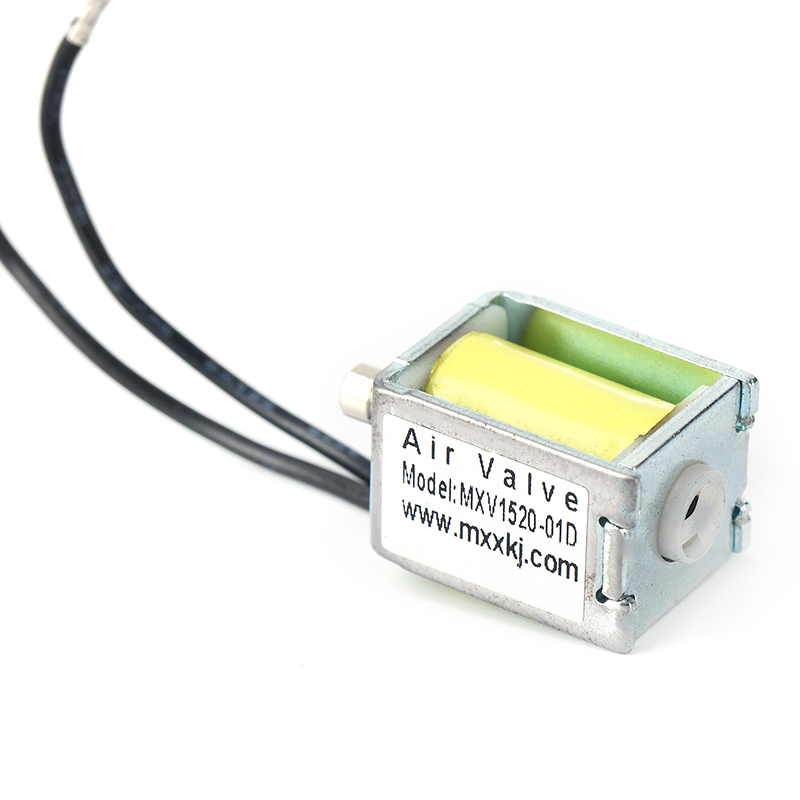
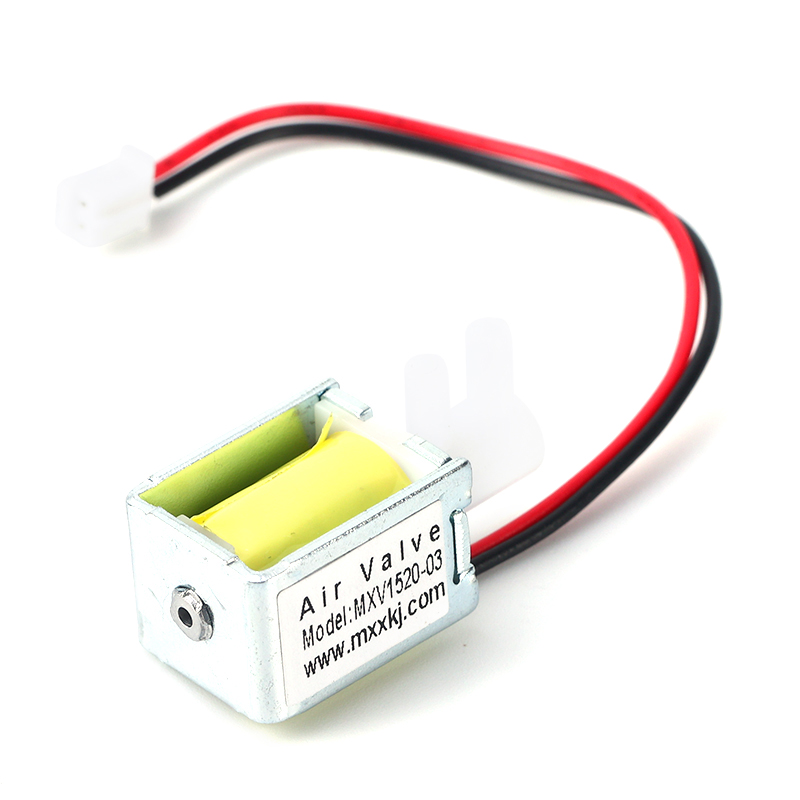
Appearance cannot act as the sole judging standard, but there are visible distinctions in most cases. Normally open types generally have fewer or no built-in springs, as the open state is their default setting. By contrast, normally closed types are usually fitted with obvious compression springs, which keep the valve tightly closed when there is no electricity. This structural difference is quite common among various specifications of small solenoid valve.
Practical Testing Methods
Power-off inspection: Check the valve status without power. A closed valve means it is a Normally Closed Solenoid Valve; an open valve indicates a Normally Open Solenoid Valve.
Power-on test: Connect the power supply and observe changes. If the valve opens, it is the normally closed type; if the valve closes, it belongs to the normally open type.
To conclude, you can accurately distinguish between Normally Open Solenoid Valve and Normally Closed Solenoid Valve by combining working principles, application demands, external structures and simple tests. The correct selection of solenoid valves will greatly improve the operational stability of supporting equipment like Miniature Air Pump and other automated facilities equipped with Brushless DC Motor.
